
Rust is a common problem for metal components exposed to moisture and humid conditions. In Malaysia, frequent rain and high humidity can make rust prevention an important part of vehicle, workshop and household maintenance.
If you want to learn how to remove rust from metal, start by checking the condition of the affected component. The right method depends on the amount of rust and the level of damage.
For rusted fasteners and metal components, a penetrating product can make maintenance easier.
Why Does Metal Rust?
Rust forms when iron or steel reacts with oxygen and moisture.
Metal components may be more likely to rust when exposed to:
- Rain
- Humidity
- Water
- Salt
- Outdoor conditions
Small areas of surface rust may be manageable with routine maintenance. However, heavily corroded or structurally damaged components may need replacement or professional attention.hrough routine maintenance. On the other hand, heavily corroded or structurally damaged components may require replacement or professional attention.
What Is a Rust Penetrant?
A rust penetrant is designed to work into tight areas around rust-affected metal components.
It can help with rusted nuts, bolts and other metal parts that have become difficult to move.
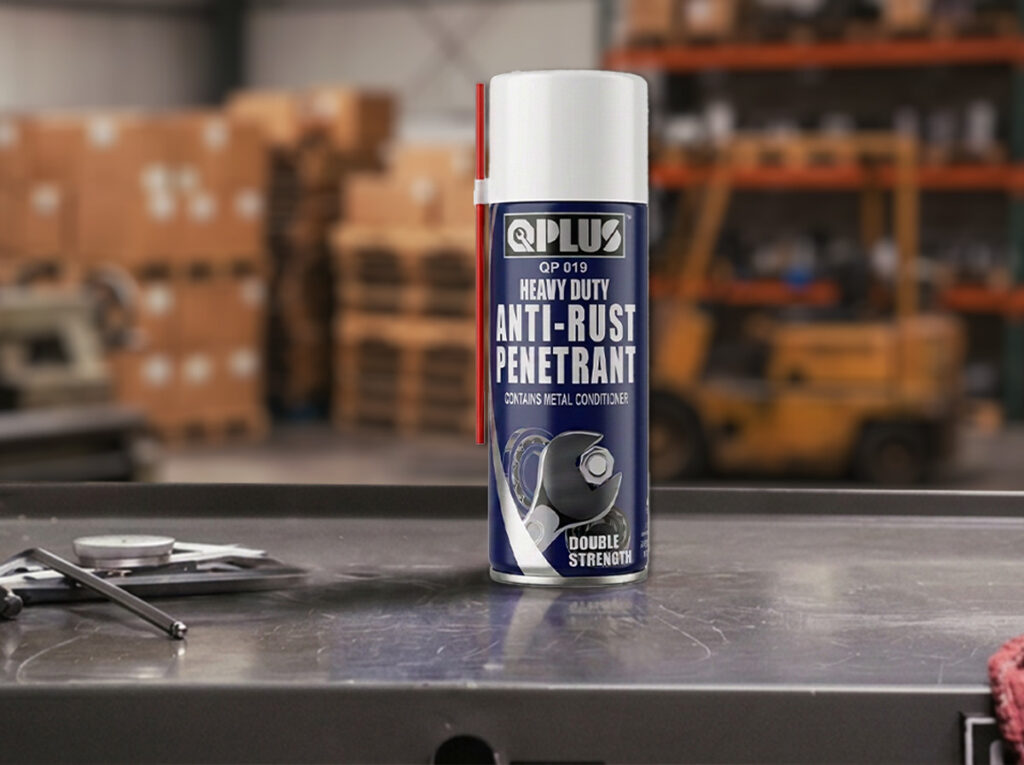
QPlus QP019 Heavy-Duty Anti-Rust Penetrant is formulated for heavy-duty anti-rust and penetrating applications. It can be a useful addition to an automotive or workshop maintenance kit.
How to Remove Rust from Metal Components
1. Inspect the Rust
First, check the condition of the metal.
Light surface rust is different from deep corrosion that has weakened the component. If the metal is severely damaged, replacing it may be safer than attempting to restore it.
2. Remove Loose Dirt and Rust
Clean away loose dirt and surface contamination around the affected area.
This helps the penetrating product reach the relevant parts more effectively.
3. Apply QPlus QP019
Apply QPlus QP019 Heavy-Duty Anti-Rust Penetrant to the rust-affected area according to the product instructions.
For rusted fasteners, apply the product around the area where the components are joined. This helps it reach tight spaces where rust may have formed.
4. Allow It to Penetrate
Give the product enough time to work according to the manufacturer’s instructions.
Heavily rusted components may need another application. Always follow the recommended usage instructions.
5. Work the Component Carefully
After the penetrant has had time to work, try to move the component with the appropriate tool.
Avoid using excessive force, especially if the fastener or metal component is badly corroded. Too much force could damage the component or tool.
6. Clean and Protect the Metal
After loosening the component, remove any remaining rust and contamination where appropriate.
For long-term maintenance, consider applying a suitable protective product. This can help reduce future exposure to moisture.
Where Can a Rust Penetrant Be Useful?
A penetrating anti-rust product can be useful for various maintenance applications involving metal components, including:
- Rusted nuts and bolts
- Automotive components
- Workshop equipment
- Metal fittings
- Hinges
- General metal maintenance
Always check the product instructions and confirm that the product is suitable for your intended use.
How Can You Prevent Rust?
Preventing rust is often easier than dealing with severe corrosion.
Follow these simple maintenance practices:
- Keep metal components clean and dry
- Reduce prolonged exposure to moisture
- Inspect outdoor metal parts regularly
- Treat surface rust early
- Use suitable protective products
- Replace severely damaged components when necessary
Regular inspections can help you identify early signs of corrosion before they become more difficult to manage.
Frequently Asked Questions
What is the easiest way to remove rust from metal?
Start by cleaning the affected area and removing loose rust. Then, apply a suitable penetrating anti-rust product to help loosen rusted and difficult-to-move components.
Can QPlus QP019 loosen rusted bolts?
QPlus QP019 Heavy-Duty Anti-Rust Penetrant is intended for penetrating and anti-rust maintenance applications. It may be suitable for appropriate rust-affected metal components. Always follow the product instructions.
Does rust mean the metal needs to be replaced?
Not necessarily. Light surface rust may be treatable, while severe corrosion can weaken a component. Inspect the metal carefully before deciding whether to repair or replace it.
How can I prevent metal from rusting?
Keep metal clean and dry, reduce moisture exposure and carry out regular maintenance. Treating surface rust early can also help prevent further deterioration.
Final Thoughts
Learning how to remove rust from metal starts with identifying the level of corrosion and choosing the right maintenance approach.
For rusted and difficult-to-move metal components, QPlus QP019 Heavy-Duty Anti-Rust Penetrant can be a practical addition to your automotive, workshop or household maintenance kit.
Regular inspection and early treatment can help prevent minor corrosion from becoming a bigger maintenance problem.

